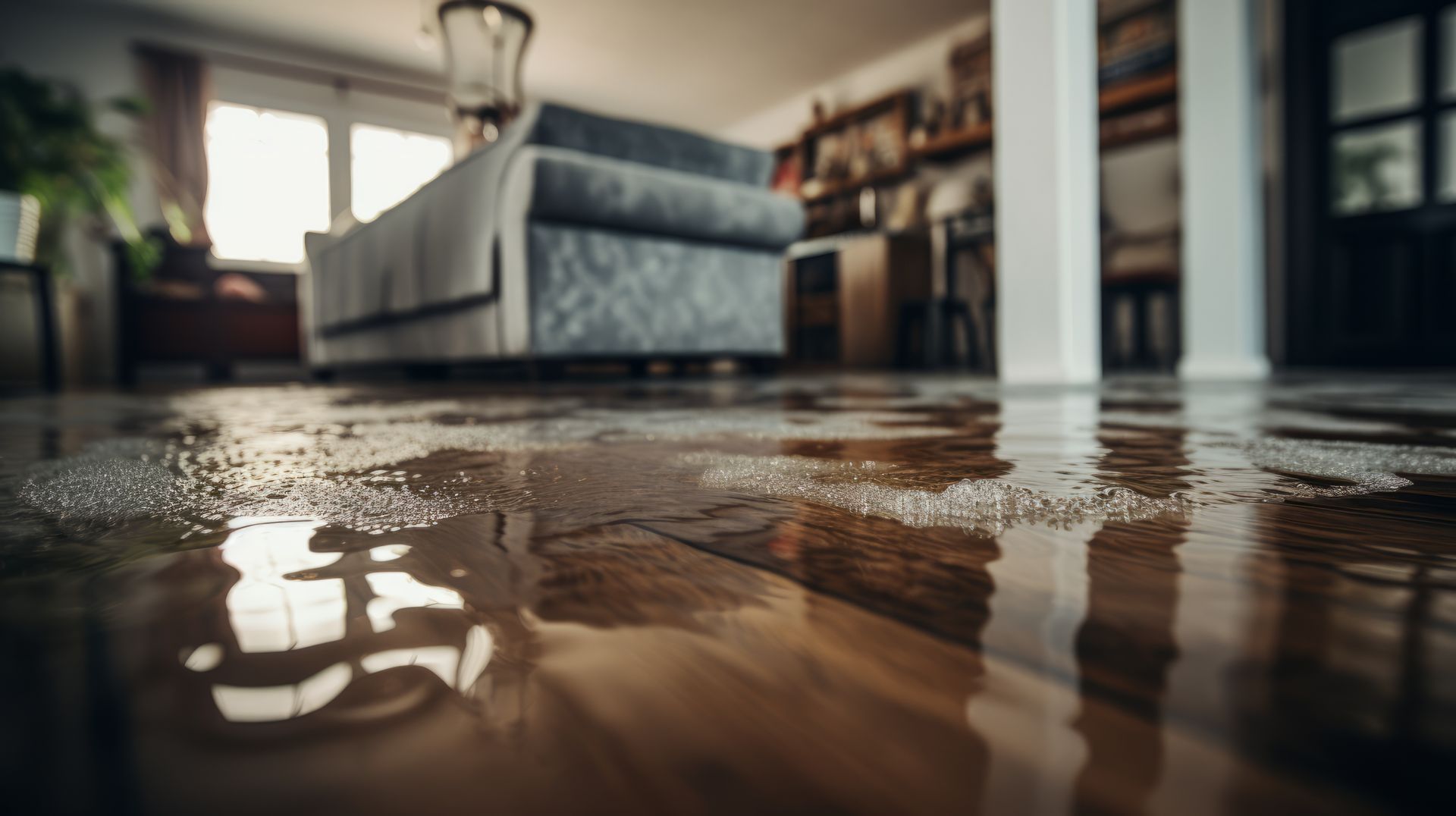
Water Damage vs. Flood Damage: What Imperial County Homeowners Need to Know Before Filing a Water Insurance Claim
Understanding the difference between water damage and flood damage is one of the most important steps an Imperial County homeowner can take before filing a water insurance claim. Many El Centro, CA, residents discover too late that their standard homeowners policy does not cover every type of water event. This guide explains the key distinctions, what California policies typically cover, when separate flood insurance applies, and how to document damage so your claim has the best possible chance of approval.
Water Damage vs. Flood Damage: Two Very Different Policy Categories
Standard homeowners insurance and flood insurance are separate products that cover separate causes of loss. Most people assume one policy covers everything, but that is rarely the case. Knowing which type of damage you have determines which policy you file under, and getting that wrong can delay or kill a water insurance claim before it starts.
What Standard Homeowners Insurance Typically Covers
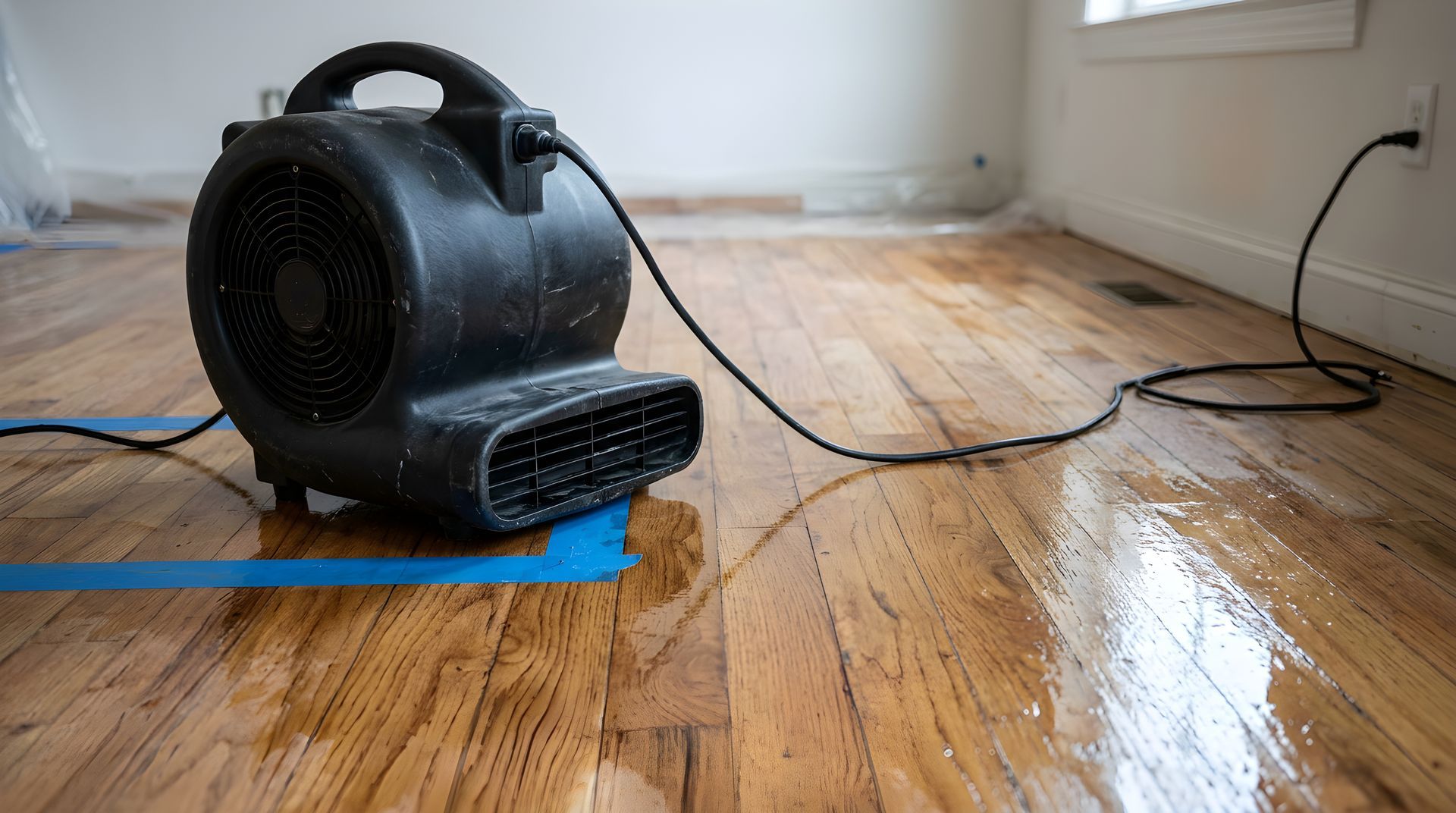
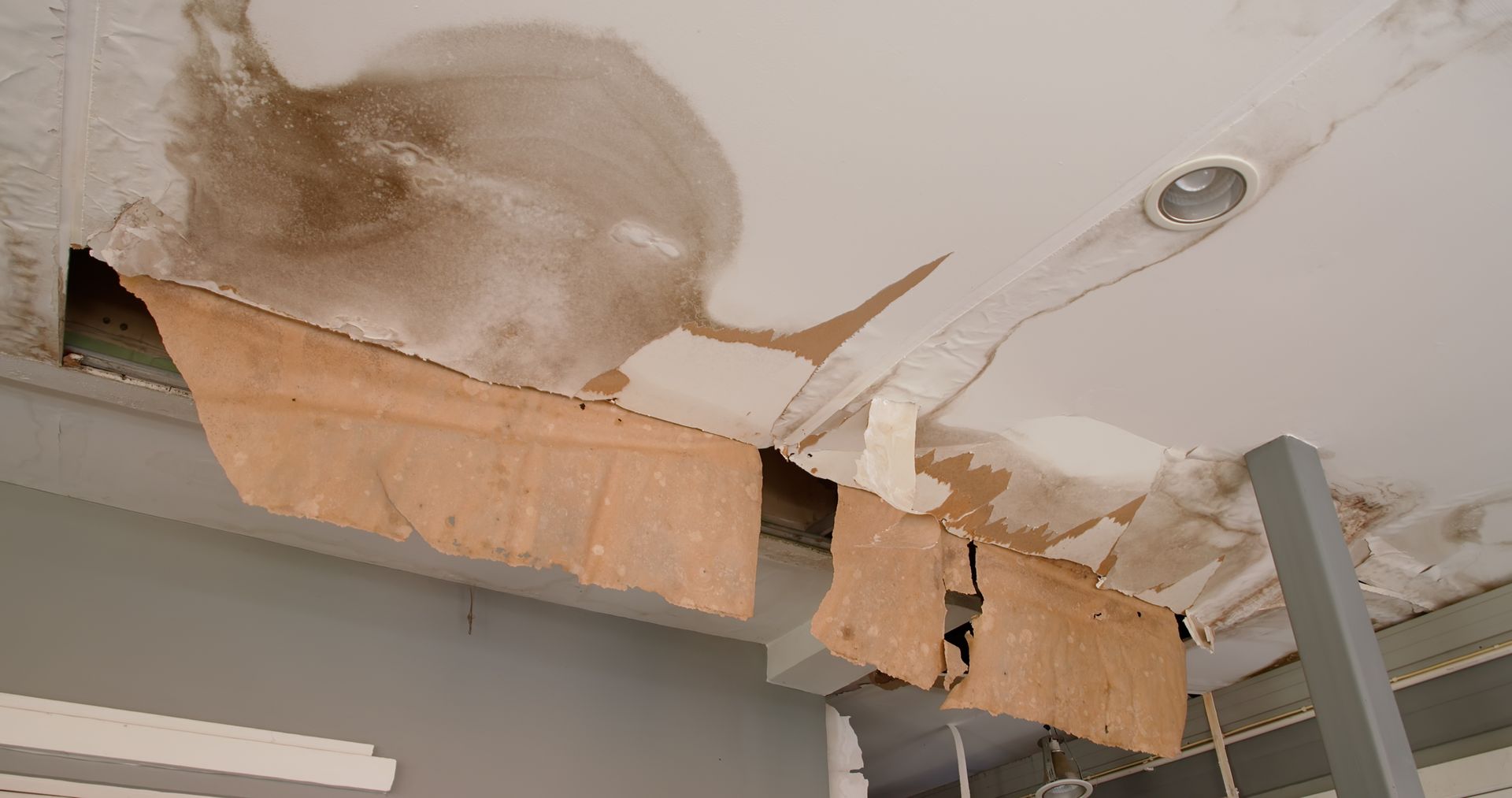
Standard homeowners policies in California generally cover sudden and accidental water damage originating inside the home: a burst pipe, a failing water heater, a broken washing machine hose, or an unexpected dishwasher leak. In most cases, the insurer may pay to repair drywall and ceilings, replace damaged flooring, restore built-in fixtures, and cover professional water damage restoration services.
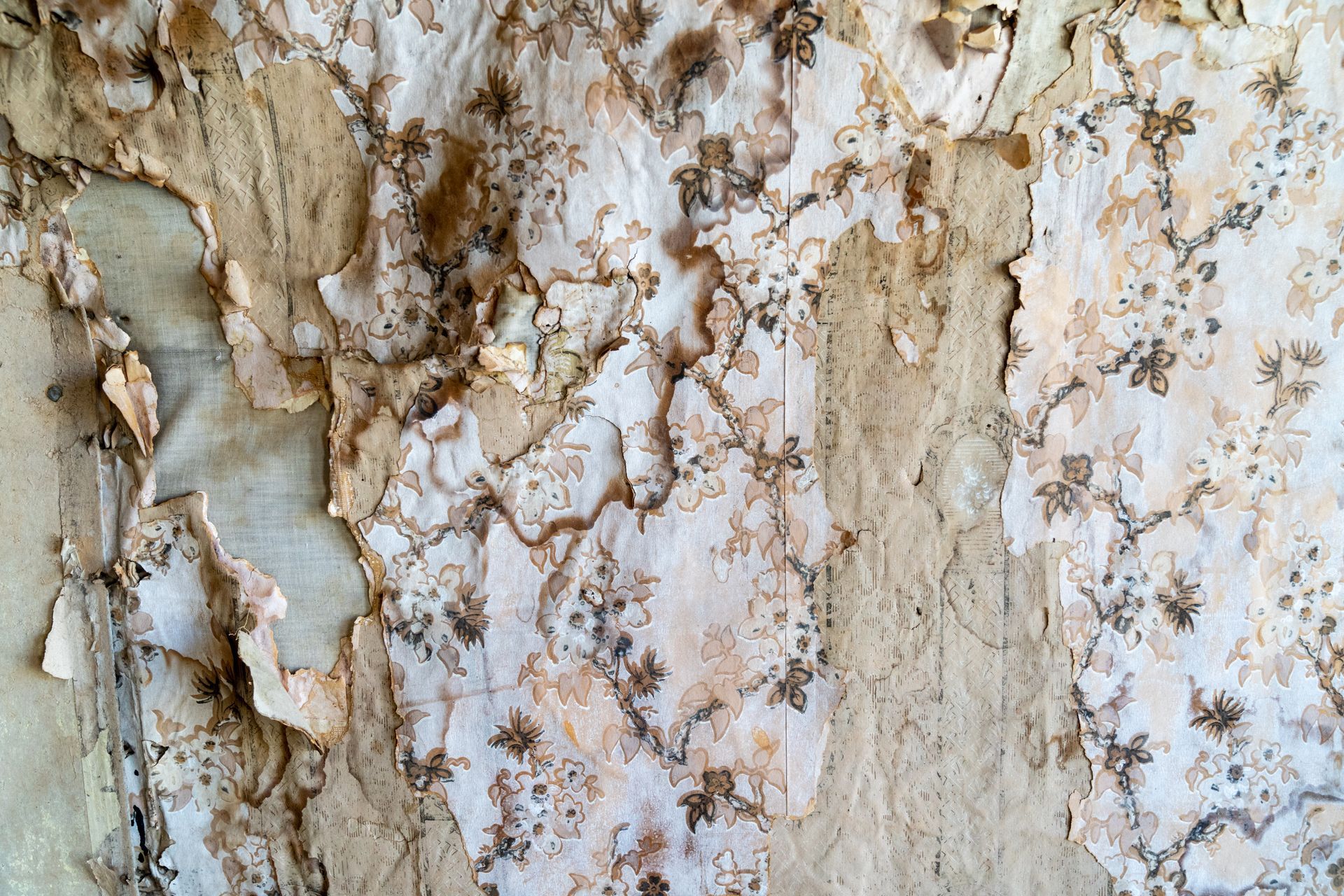
Two important limits apply. First, most policies will not pay to fix the broken component itself, only the damage the water caused. Second, policies typically exclude slow leaks or damage from neglected maintenance. If an adjuster determines a leak had been present for weeks, the claim may be denied on the grounds that the damage was preventable.
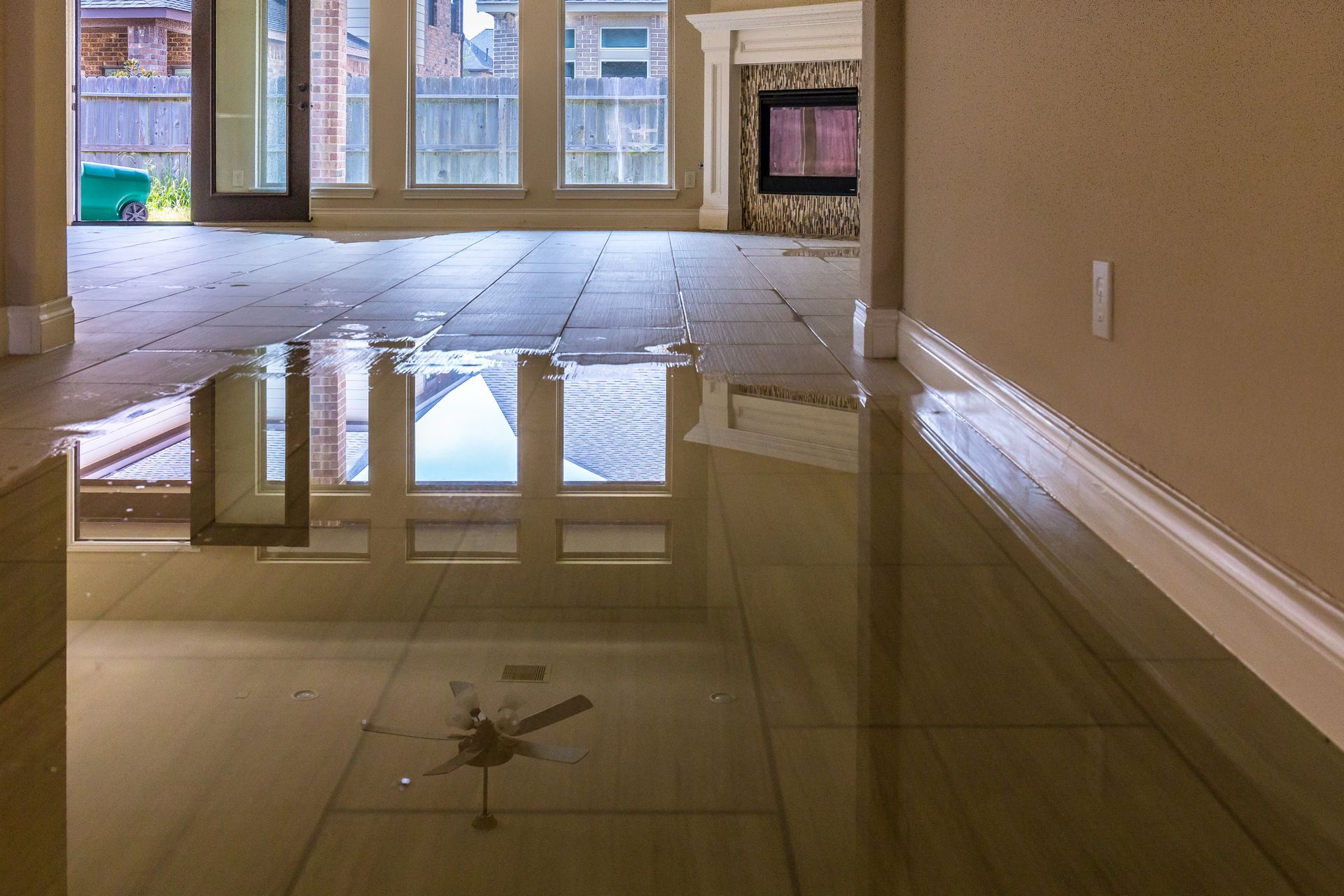
Flood damage is almost universally excluded from standard homeowners policies. Flood damage is water that enters your home from an outside natural source: heavy rain or storm runoff, overflowing drainage channels, or rising surface water from any external body of water. If monsoon rains overwhelm El Centro's hard, compacted desert soil and water flows in from outside, your standard policy will likely not respond.
When Does Flood Insurance Apply in Imperial County?
Flood insurance is a separate policy covering water damage from external flooding events that standard homeowners policies exclude. It may be purchased through the National Flood Insurance Program (NFIP) or through private insurers. If you have a government-backed mortgage and your property sits in a FEMA-designated Special Flood Hazard Area, you may be required to carry it.
Imperial County has specific geographic factors that raise flood exposure. The Imperial Irrigation District's extensive canal network runs through and near residential areas across the valley. During monsoon season, storms can dump heavy rainfall on ground that drains slowly, pushing surface water into neighborhoods along North Imperial Avenue, near Interstate 8, and throughout the Holt area and Brawley Avenue corridor. Homeowners can look up their property's flood zone designation at the FEMA Flood Map Service Center.
One critical rule: NFIP flood policies typically carry a 30-day waiting period before coverage takes effect. Do not wait for storm season to purchase a separate flood policy.
Documentation Tips for Each Type of Claim
Strong documentation can make or break any water insurance claim in El Centro, CA. The steps below apply to both claim types, though the specific evidence differs.
For a water damage claim involving an internal source:
- Photograph every affected surface immediately, before any cleanup begins.
- Locate and photograph the source, such as the failed appliance or burst pipe.
- Write down the date and time you discovered the damage.
- Save damaged personal property for the adjuster to inspect.
- Keep all receipts for emergency mitigation work.
For a flood damage claim:
- Photograph the exterior showing water intrusion from outside.
- Mark and photograph the waterline on walls to show depth.
- Document neighboring properties and streets to establish that flooding was widespread.
- Note the weather event and date, and save news reports or official alerts if available.
- Do not discard damaged contents until the adjuster has completed their inspection.
In Imperial Valley's extreme summer heat, mold can begin developing inside walls and under flooring within 24 to 48 hours of a water event. Prompt mitigation is critical, but document everything first. Thorough documentation before cleanup gives the adjuster a complete picture of initial conditions and strengthens your claim.
How a Local Restoration Contractor Can Help Coordinate Your Claim
A licensed local contractor can play a meaningful role in the claims process from the start. Restoration professionals use moisture detection equipment, including thermal imaging cameras and moisture meters, to map hidden damage that a visual inspection might miss. That documentation can be submitted directly to your insurance adjuster and may strengthen the scope of your water insurance claim.
A contractor who regularly works alongside insurance carriers understands what adjusters need to see and can help ensure no damage goes unrecorded. They can also communicate with the insurer at each stage of repair so you are not left managing multiple parties on your own.
Get Local Help When It Matters Most
When water or flood damage hits your El Centro, CA, home, fast professional response can limit both the physical damage and the headaches that come with a water insurance claim. NS Construction serves homeowners across Imperial County with 24/7 emergency restoration response, licensed repairs, and direct coordination with insurance carriers.
To learn more, visit the El Centro water damage restoration page or explore the home remodels and restoration page. Ready to get started? Contact the team online or call (760) 352-4323 any time, day or night.