What Causes Water Damage in Imperial Valley Homes and How to Prevent It in 2026
Water damage is one of the most common and costly problems for homeowners across Imperial Valley. This guide covers the top reasons water damage restoration becomes necessary in El Centro, CA, homes, along with practical steps you can take right now to lower your risk in 2026.
How Monsoon Season Puts Imperial Valley Homes at Risk
Imperial Valley's monsoon season typically runs from mid-June through late September, bringing sudden, heavy storms to a region that receives very little rain the rest of the year. Strong winds, lightning, and heavy rain can arrive within minutes, giving homeowners almost no time to react.
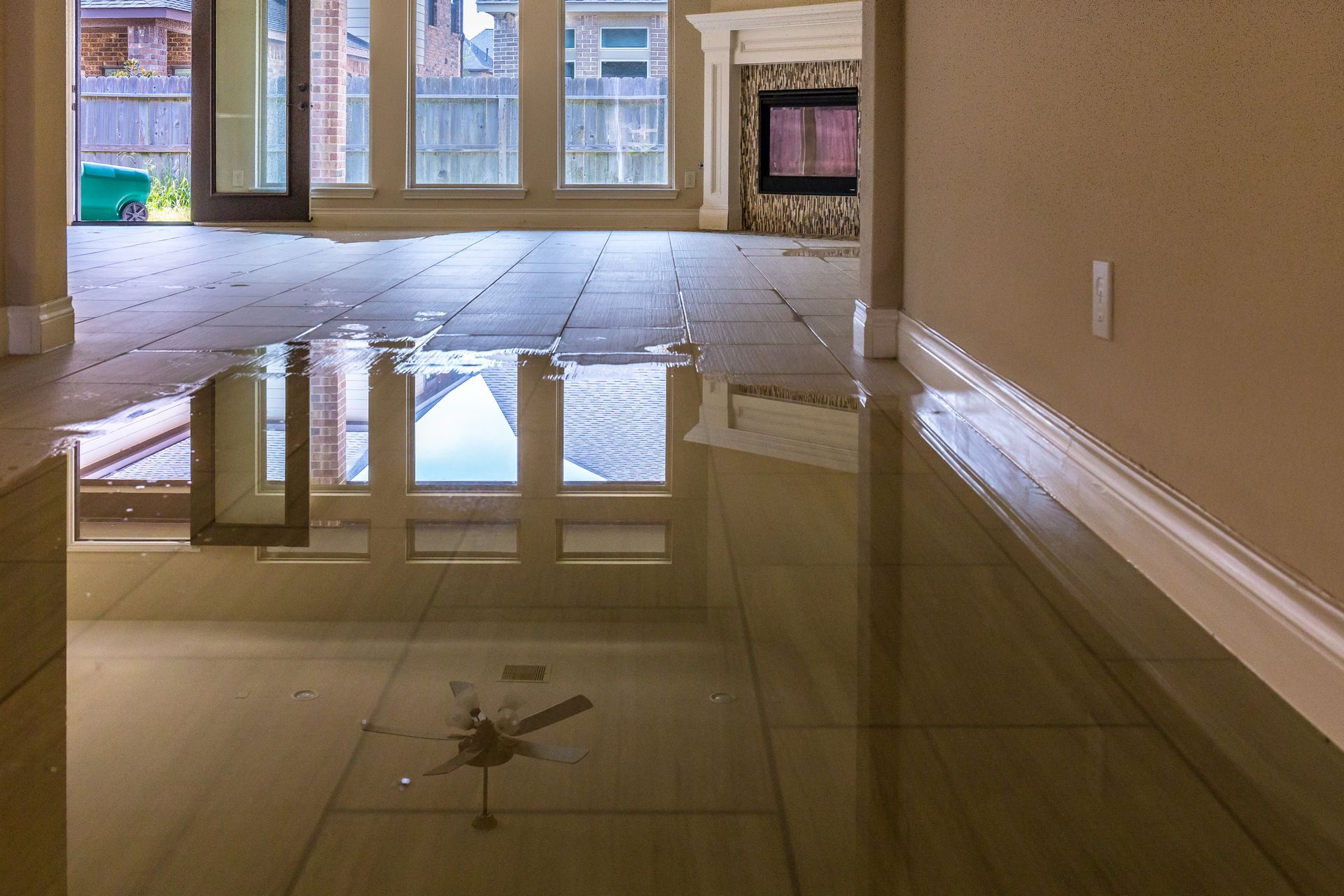
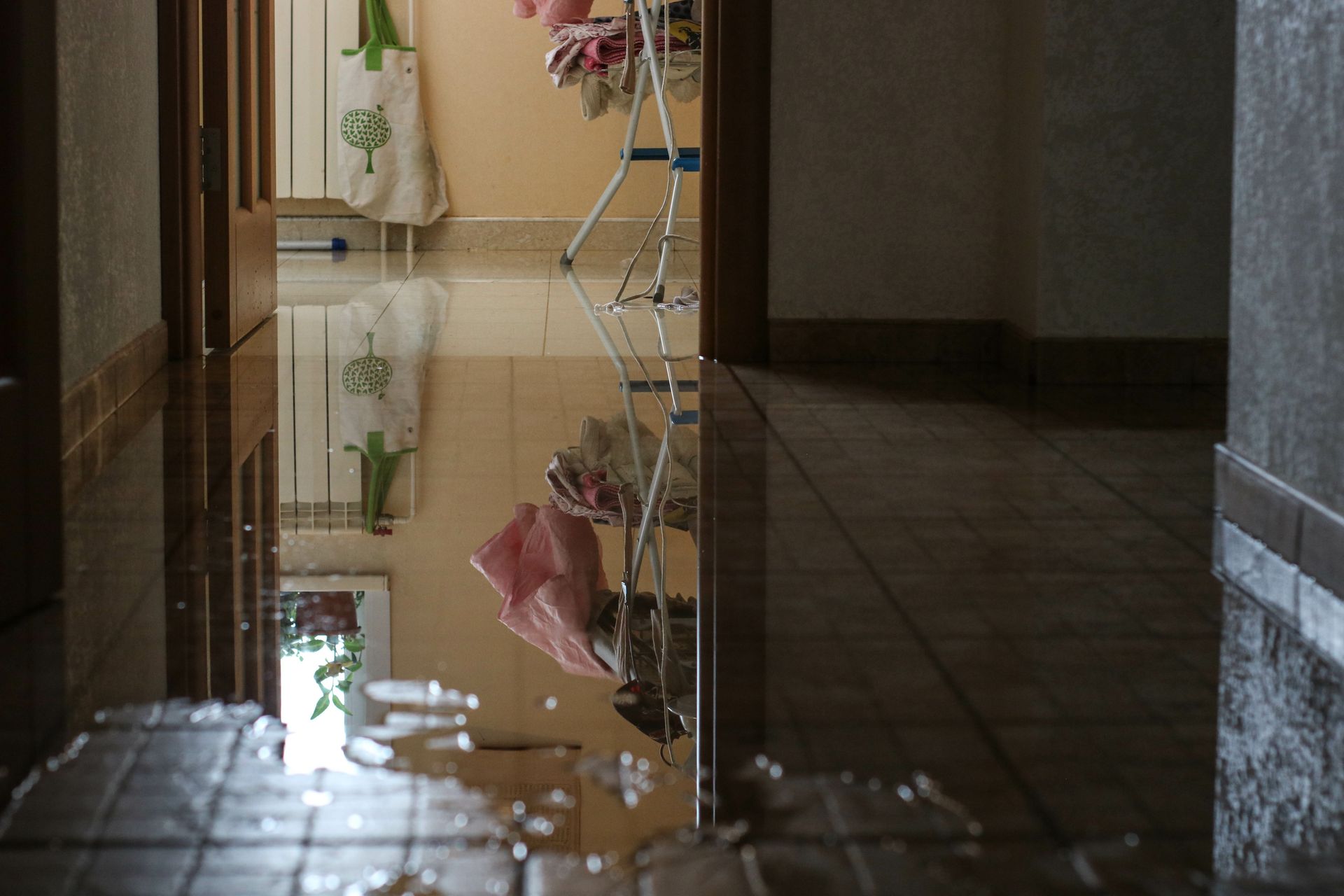
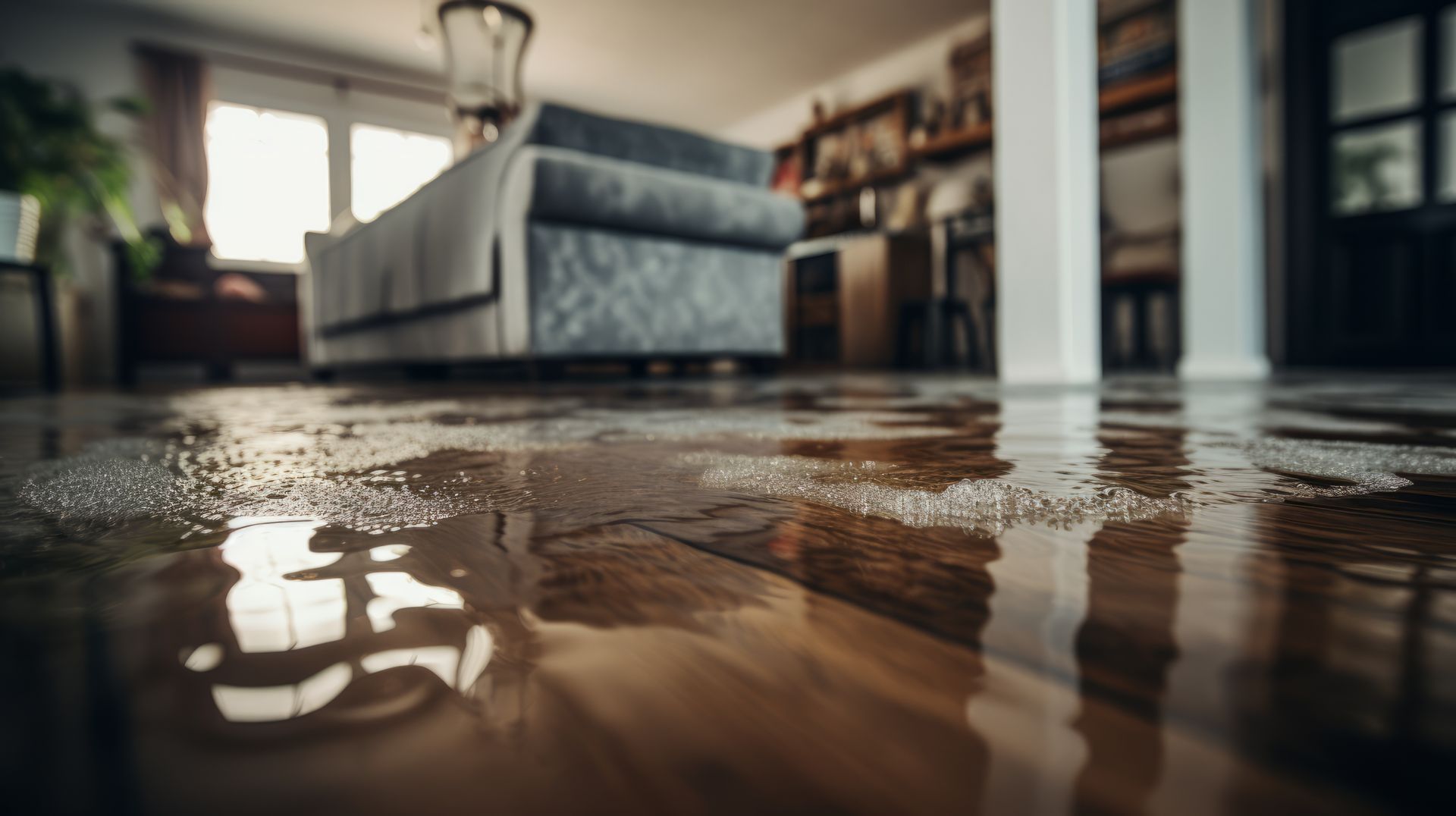
The desert's hard, compacted soil struggles to absorb water quickly. When runoff pools and pushes into homes through foundations, doorways, and low-lying entry points, the result often requires prompt water damage restoration. El Centro, CA, homeowners near North Imperial Avenue and Interstate 8 corridors have seen repeated flooding during heavy rain events, and the nearby Imperial Irrigation District canal network can add to surface water pressure in residential areas.
Tropical moisture from the eastern Pacific may increase rainfall totals this year, bringing flash flooding, mudslides, and dry thunderstorms. Each scenario can create water damage restoration needs in El Centro, CA, requiring immediate professional response.
What you can do: Clear gutters and downspouts before July. Grade soil away from your foundation. Inspect window seals and door thresholds before peak monsoon months.
What Role Does Aging Plumbing Play in El Centro Water Damage?
Aging galvanized and copper pipes face failure from thermal expansion and high desert water pressure. Hard water mineral buildup and root intrusion from drought-stressed landscaping create drain blockages, sewage backups, and pipe corrosion that call for water damage restoration services in El Centro, CA, going beyond simple cleanup to address contamination and structural drying.
Extreme heat also accelerates water heater corrosion and pressure valve failures. A small pinhole leak inside a wall can go unnoticed for weeks. By the time it appears as a stain or warped flooring, significant damage may already be done.
What you can do: Have a licensed plumber inspect supply lines and water heater connections once a year. Know where your main shutoff valve is and confirm it operates correctly.
HVAC Condensate Problems in Desert Heat
El Centro regularly sees summer temperatures above 110°F, meaning air conditioning systems run almost continuously for months. That workload can lead to condensate overflow, a type of water damage many homeowners do not anticipate.
When AC drain pans rust and lose their seal, or when condensate lines become blocked, water can silently saturate insulation and ceiling drywall in attic-mounted systems before any visible sign appears. This often makes water damage restoration in El Centro, CA, necessary before the homeowner realizes there is a problem. Units more than 10 to 15 years old work harder, run longer cycles, and accumulate significant internal buildup.
What you can do: Have your HVAC system serviced each spring before peak cooling demand. Ask your technician to flush the condensate drain line at every visit.
Early Warning Signs of Hidden Water Damage
Catching water damage early can prevent a much larger repair. Professional water damage restoration serving El Centro, CA, often begins after a small problem has had time to grow. Watch for these signs:
- Unexplained increases in your water bill.
- Musty or damp smells in otherwise dry rooms.
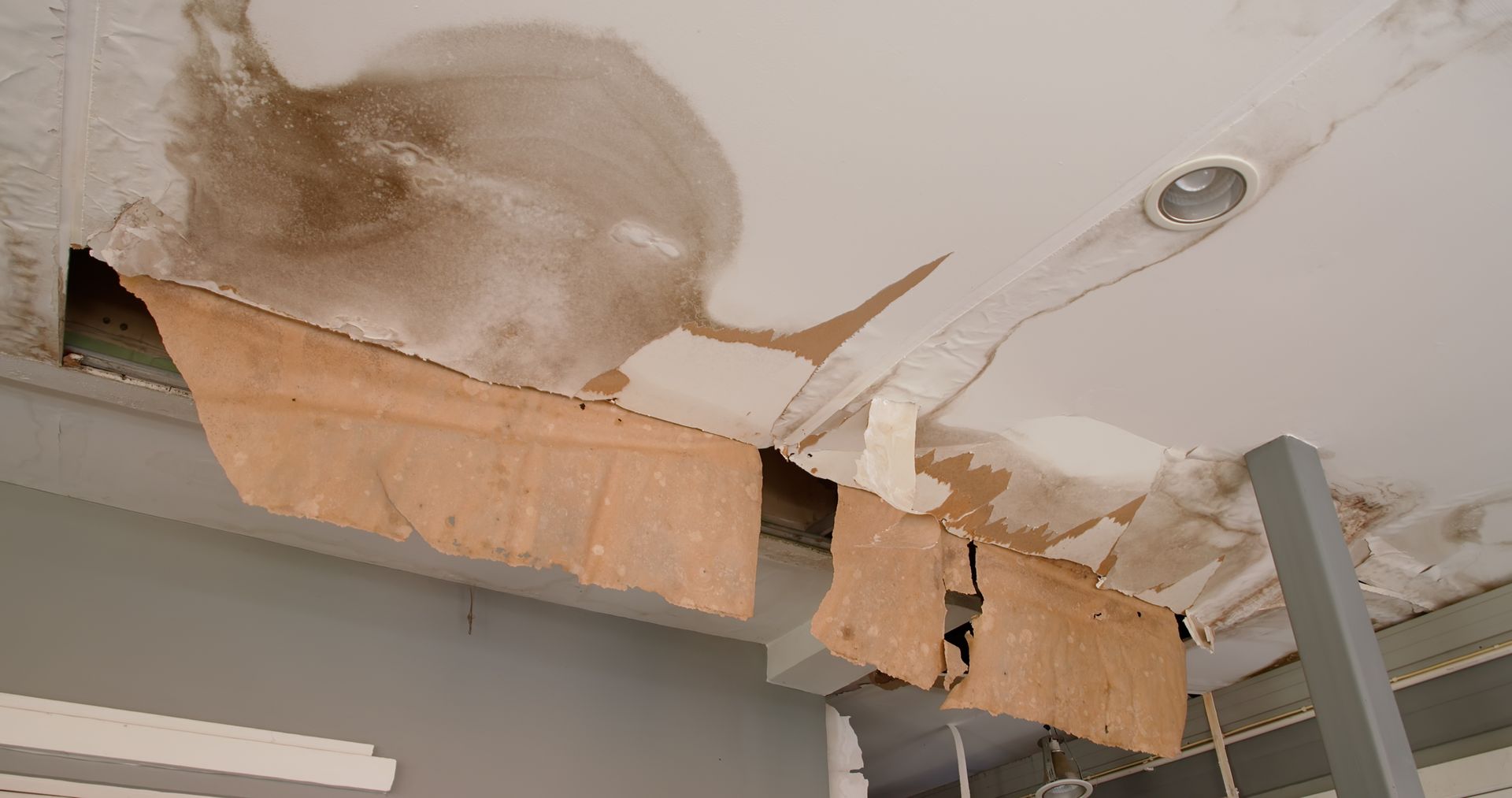
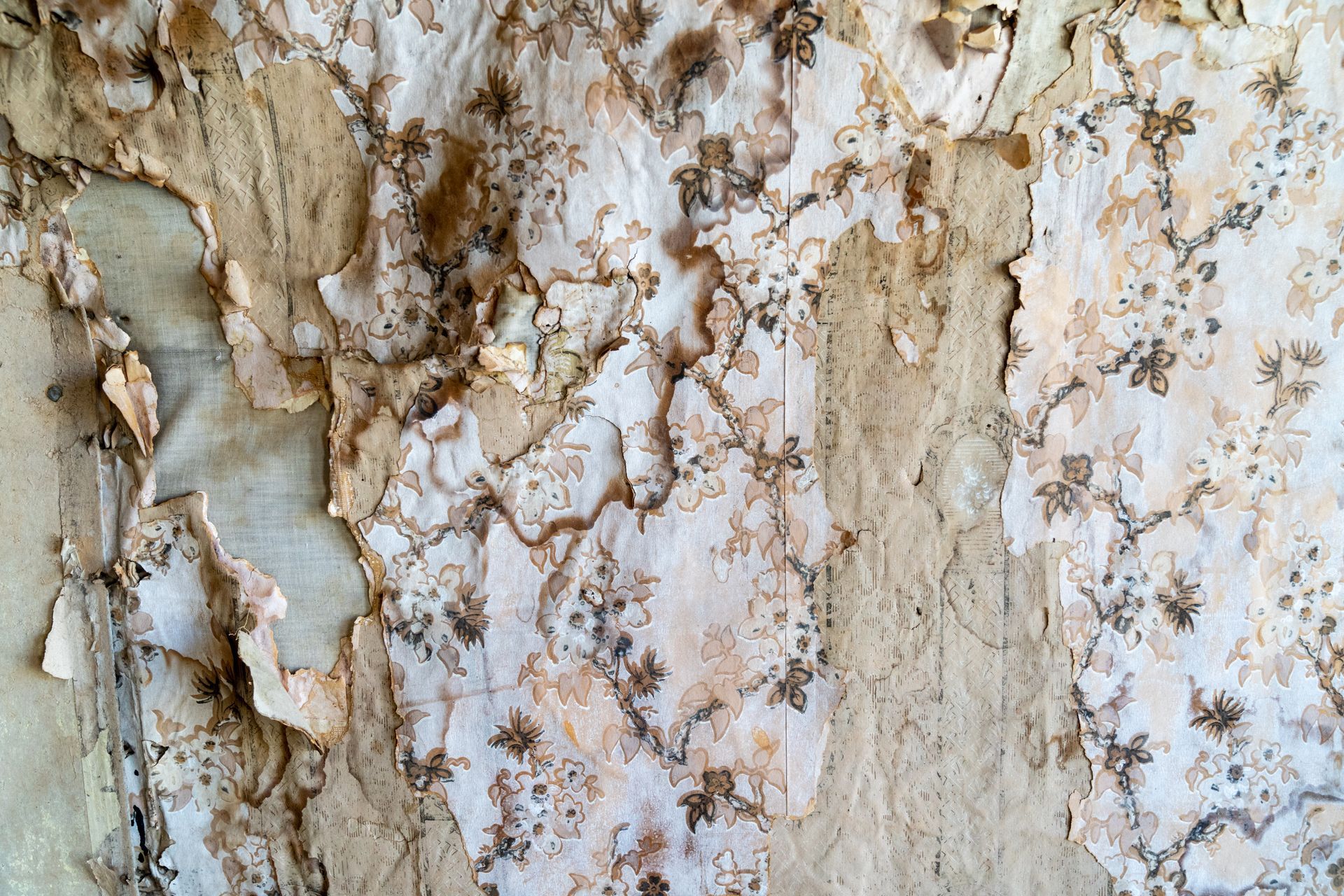
- Bubbling, peeling, or stained paint on walls or ceilings.
- Soft spots or warping in wood floors and baseboards.
- Visible mold or dark spots near pipes, under sinks, or around HVAC vents.
Any one of these may signal a slow leak or hidden moisture problem. Do not wait to investigate.
Frequently Asked Questions About Water Damage in Imperial Valley
When Does Monsoon Season Start in Imperial Valley?
The North American monsoon officially begins June 15 and runs through September 30. For Imperial Valley homeowners, the highest-risk window for flash flooding is generally July through mid-September, when moisture surges and storm activity are most frequent.
How Quickly Can Mold Develop After Water Damage?
Mold can begin growing within 24 to 48 hours of a moisture event. Imperial Valley's heat makes conditions especially favorable for rapid mold growth. Addressing water intrusion immediately, rather than waiting to see if it dries on its own, is essential.
Does Homeowners Insurance Cover Water Damage From Monsoon Storms?
Coverage depends on your specific policy. Sudden damage from a burst pipe is often covered, but flooding from outside the home may require separate flood insurance. Review your policy with your agent before storm season.
How Do I Know if I Need Professional Water Damage Restoration?
If water has affected walls, flooring, insulation, or structural materials, or if drying has not been completed within 24 to 48 hours, professional help is recommended. Professionals use moisture meters and drying equipment to confirm materials have returned to safe levels, protecting both structural integrity and indoor air quality.
Protect Your Home and Call the Pros When It Counts
Prevention covers a lot of ground, but storms, plumbing failures, and HVAC problems can move faster than any homeowner can handle alone. Acting quickly makes all the difference.
NS Construction serves Imperial Valley homeowners with professional water damage restoration, available 24 hours a day. Whether damage comes from a monsoon downpour, a failed water heater, or a slow leak, their licensed team can extract standing water, dry structural materials, and restore your home. Reach them at (760) 352-4323 for emergency response, or visit their flood restoration page to learn more.
For reviews from Imperial Valley homeowners, check out NS Construction on Google. Do not wait until damage gets worse. Contact the team today for a free estimate.